
Brain Fog, Anxiety & Low Mood: Is It Hormonal?
When it’s not just “getting older.” Understanding the link between testosterone deficiency,
mental clarity, and emotional stability in men.
AHPRA-Registered Doctors • Evidence-Based Care • Secure Telehealth
Check Your Eligibility for TRT Consultation
Answer 8 questions to see if you meet the basic criteria for a medical assessment. This is not a diagnosis.
What is your age?
TRT consultation requires minimum age criteria
Have you noticed changes in energy levels?
Common concern for men considering consultation
What about changes in body composition?
Physical changes despite consistent lifestyle
Changes in libido or sexual function?
Common concern prompting medical consultation
Mood or cognitive changes?
Brain fog, irritability, or low mood
Do you have any of these conditions?
Medical contraindications that may affect eligibility
Have you had testosterone levels tested before?
Previous blood work can streamline assessment
What’s your main goal for seeking consultation?
Understanding your consultation priorities
Beyond “Just Tired”: The Mental Toll of Low T
Low testosterone is often associated with muscles and libido, but for many men, the cognitive symptoms are the most debilitating.
☁️ The “Brain Fog” Phenomenon
Patients describe it as a “veil” over their thoughts. Difficulty finding words, forgetting why you walked into a room, trouble focusing on complex tasks, or feeling mentally exhausted by 2 PM despite sleeping well.
📉 The Motivation Crash
A distinct lack of “drive.” It’s not that you can’t do the work, it’s that the chemical reward system (dopamine) feels offline. Hobbies you used to love feel like chores, and procrastination becomes chronic.
⚡ Irritability & Anxiety
Often dismissed as “Grumpy Old Man Syndrome.” Lower tolerance for stress, snapping at family members over small issues, or a low-level humming anxiety that wasn’t there in your 20s or 30s.
Specific Cognitive & Emotional Indicators
Do you recognize these specific patterns in your daily life?
The Science: Testosterone & Your Brain
It’s not “all in your head”—it is a physiological mechanism.
The Neurotransmitter Connection
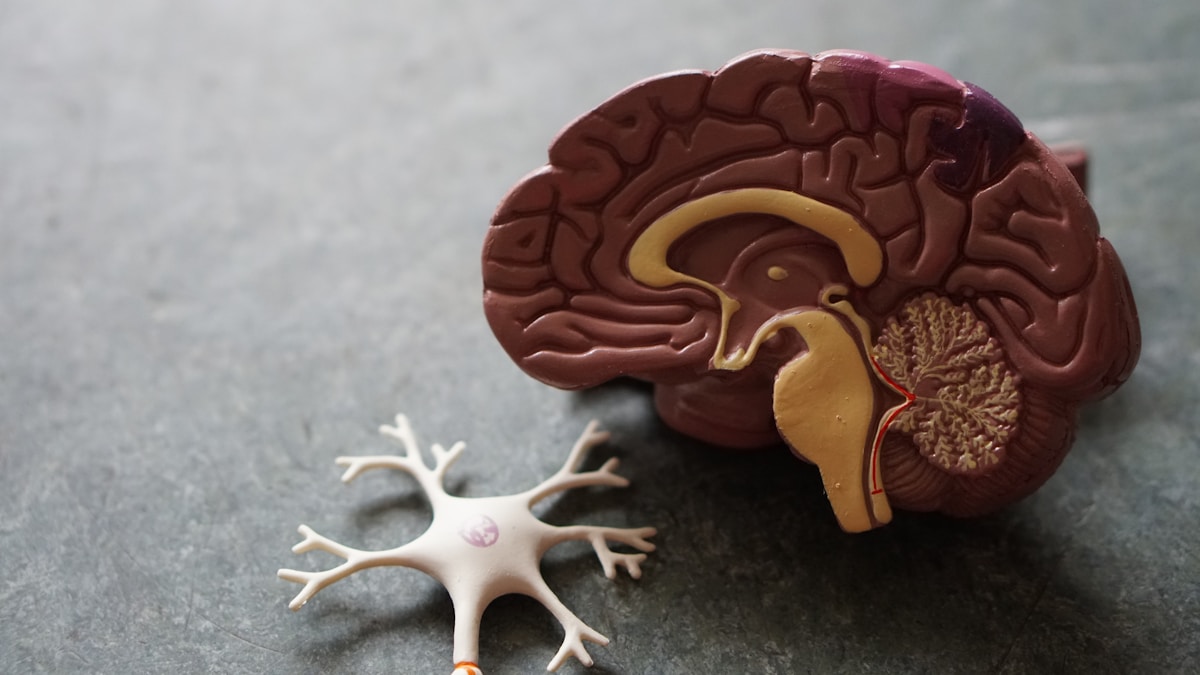
Testosterone is a neuroactive steroid. It crosses the blood-brain barrier and influences the function of serotonin (mood), dopamine (reward/motivation), and acetylcholine (memory). When levels drop, these neurotransmitter systems can become dysregulated, leading to the symptoms described above.
Neuroprotection and Inflammation
Testosterone has neuroprotective properties. It helps reduce neuro-inflammation and supports synaptic plasticity (how your brain forms new connections). Chronic low testosterone has been linked in clinical studies to increased risk of cognitive decline and reduced processing speed.
Is it Depression or Low Testosterone?
The symptoms overlap significantly, leading to frequent misdiagnosis. Only a doctor can determine the cause.
Testosterone Deficiency
Note: It is possible to have both. A comprehensive medical assessment helps peel back the layers to treat the root cause effectively.
The “Vicious Cycle” of Mental Fatigue
How low testosterone compounds lifestyle issues, making recovery harder.
Low Hormone Levels
Testosterone drops below optimal levels. Dopamine signalling reduces. You feel slightly less motivated and more tired.
Reduced Activity
Because you feel tired and unmotivated, you exercise less. You stop engaging in hobbies. You may eat convenience foods for quick energy.
Worsening Symptoms
Lack of exercise and poor diet further suppresses testosterone and increases cortisol (stress). Brain fog deepens. Sleep quality suffers.
Medical Intervention Needed
Willpower alone is often insufficient to break this physiological cycle. Medical assessment determines if hormonal intervention can reset the balance.
Check Eligibility for Assessment
Answer 8 questions to see if your symptoms meet the basic criteria for medical investigation.
Treatment & Cognitive Recovery
If diagnosed with low testosterone, what can you expect regarding mental symptoms?
Timeline of Relief
While libido improvements often happen quickly (3-4 weeks), cognitive and mood benefits typically take longer to manifest—usually 6 to 12 weeks of stable treatment. Consistency is key.
The “Clarity” Effect
Patients often describe the result not as “feeling high,” but simply “feeling normal.” The lifting of the fog, returned ability to handle stress, and the return of executive function.
Holistic Approach
TRT is a foundation, not a magic pill. Our doctors emphasize that restoring testosterone gives you the energy to return to the gym and fix your diet, which synergistically improves brain health.
Patient Stories: Mental Clarity
Real feedback focusing on the cognitive and emotional impact of treatment.
FAQ: Mental Health & Hormones
Can low testosterone cause anxiety?
Yes. Testosterone plays a role in regulating the amygdala (the brain’s fear center) and cortisol (stress hormone). Low levels can result in increased reactivity to stress, nervousness, and general anxiety.
Will TRT make me aggressive?
This is a common myth (“Roid Rage”). In a clinical setting with controlled therapeutic doses, TRT typically stabilizes mood. It is actually low testosterone that is associated with irritability and “grumpiness.” Restoring levels to normal usually improves patience and calmness.
How do I know if it’s ADHD or Low Testosterone?
Adult ADHD and Low T share symptoms like poor focus and lack of motivation. However, Low T usually comes with physical symptoms (fatigue, libido loss) and has often developed over time, whereas ADHD is lifelong. Blood testing is the only way to rule out the hormonal component.
Do I need a referral from a psychiatrist?
No. You can book directly with our doctors. However, if you are currently under the care of a psychiatrist or taking mental health medication, our doctors will review this carefully to ensure safe treatment compatibility.
Does sleep apnea cause these symptoms?
Yes, absolutely. Sleep apnea causes severe brain fog and lowers testosterone. Our assessment process involves screening for sleep issues to ensure we aren’t treating a symptom while ignoring the root cause.
Transparent Medical Fees
Expert assessment without hidden costs.
Eligibility Check
Online Pre-Screening
- Immediate feedback
- Checks contraindications
- No obligation
Initial Consultation
Telehealth with AHPRA Doctor
- 45-min Deep Dive Assessment
- Review of Mental & Physical Health
- Pathology Referral Included
- Management Plan Created
Don’t Let Brain Fog Define Your Future
If you are ticking the boxes for fatigue, lack of focus, and low mood, it’s time to look at the physiology.
Our doctors are ready to help you find the answer.
Telehealth across Australia • AHPRA-registered doctors • Confidential Care