
TRT Blood Tests: The Complete Panel Breakdown
Comprehensive guide to the mandatory blood work required for Testosterone Replacement Therapy in Australia.
Understanding what we test, why we test it, and how to prepare for accurate results.
Standard of Care: All assessments utilise NATA-accredited Australian pathology laboratories.
Check Your Eligibility for TRT Consultation
Answer 8 questions to see if you meet the basic criteria for a medical assessment. This is not a diagnosis.
What is your age?
TRT consultation requires minimum age criteria
Have you noticed changes in energy levels?
Common concern for men considering consultation
What about changes in body composition?
Physical changes despite consistent lifestyle
Changes in libido or sexual function?
Common concern prompting medical consultation
Mood or cognitive changes?
Brain fog, irritability, or low mood
Do you have any of these conditions?
Medical contraindications that may affect eligibility
Have you had testosterone levels tested before?
Previous blood work can streamline assessment
What’s your main goal for seeking consultation?
Understanding your consultation priorities
Why Comprehensive Pathology is Non-Negotiable
Blood work serves two critical functions: confirming a clinical diagnosis of hypogonadism and ensuring your safety before starting treatment.
1. Diagnosis Confirmation
Symptoms of low testosterone (fatigue, libido loss) mimic many other conditions. Only serum blood testing can differentiate between true hormonal deficiency, thyroid dysfunction, burnout, or nutrient deficiencies.
2. Safety Baseline
Before introducing exogenous hormones, we must verify your body can handle them safely. We screen for prostate health (PSA), red blood cell count (Haematocrit), and liver/kidney function to rule out contraindications.
3. Identifying the Cause
Testing LH and FSH helps doctors distinguish between Primary Hypogonadism (testicular failure) and Secondary Hypogonadism (pituitary/signalling issues), which determines the correct treatment protocol.
The “Gold Standard” TRT Panel
We do not rely on “spot checks.” Our medical team requires a comprehensive panel to see the full hormonal picture. Here is exactly what is tested and why.
Primary Hormonal Markers
Total Testosterone (TT)
What it is: The total amount of testosterone floating in your blood, both bound and unbound.
Why we test: This is the primary diagnostic number. In Australia, levels are measured in nmol/L. Generally, levels consistently below 8-12 nmol/L (depending on lab range) with symptoms may indicate deficiency.
Free Testosterone (cFT)
What it is: The tiny percentage (1-3%) of testosterone not bound to proteins, biologically available for your body to use.
Why we test: You can have “normal” Total T but low Free T if your binding proteins are high. This explains why some men have severe symptoms despite “normal” standard results.
SHBG (Sex Hormone Binding Globulin)
What it is: A protein that binds to testosterone, rendering it inactive.
Why we test: High SHBG “locks up” your testosterone. Low SHBG causes you to metabolise testosterone too quickly. This marker is essential for calculating dosage frequency.
Oestradiol (E2)
What it is: The primary estrogen hormone in men, converted from testosterone.
Why we test: Men need some estrogen for brain and bone health. However, starting TRT with already high estrogen, or having a high conversion rate, can lead to side effects like water retention or gynaecomastia.
Pituitary Function (The Signal)
LH (Luteinizing Hormone)
The brain’s signal to the testes to produce testosterone. High LH with low Testosterone suggests the testes are failing (Primary). Low LH with low Testosterone suggests the brain isn’t sending the signal (Secondary).
FSH (Follicle Stimulating Hormone)
Responsible for sperm production. Tested alongside LH to assess fertility status and testicular function before commencing therapy.
Prolactin
A hormone that, when elevated, suppresses testosterone production. High levels can indicate a benign pituitary tumour (prolactinoma) requiring different treatment than TRT.
General Health & Safety Markers
Full Blood Count (FBC)
Specifically monitoring Haematocrit and Haemoglobin. TRT stimulates red blood cell production; we must ensure blood doesn’t become too thick.
PSA (Prostate Specific Antigen)
Mandatory for men 40+. While TRT doesn’t cause prostate cancer, it is contraindicated if active prostate issues exist.
Liver & Kidney Function
UEC (Urea, Electrolytes, Creatinine) and LFT (Liver Function Tests) establish a healthy baseline for drug metabolism.
Lipid Profile
Cholesterol (HDL/LDL/Triglycerides). Poor metabolic health may be a result of low T, but we monitor this to ensure TRT doesn’t negatively impact cardiovascular risk.
Thyroid Panel (TSH)
Hypothyroidism shares almost identical symptoms with low testosterone. We must rule this out to avoid misdiagnosis.
Vitamin D / B12 / Iron
Common deficiencies that cause fatigue. Correcting these may resolve symptoms without needing lifelong hormone therapy.
Preparation: How to Ensure Accurate Results
Testosterone levels fluctuate significantly throughout the day and are sensitive to environmental factors. A “bad” blood draw can lead to a false diagnosis or rejected treatment.
- Timing is Everything: Blood MUST be drawn between 7:00 AM and 10:00 AM. Testosterone peaks in the morning and drops by afternoon. Afternoon results are clinically invalid.
- Fasting State: Fast for 8-12 hours prior (water is fine). Glucose and lipid markers require fasting, and eating can transiently drop testosterone levels.
- Avoid Heavy Training: No intense resistance training 48 hours before the test. Muscle damage can artificially lower testosterone and spike liver markers.
- Illness: Do not test if you have an active fever or acute illness (flu/cold), as this temporarily suppresses hormone production.
- Biologics: If using biotin supplements (hair/skin), stop 72 hours prior as they interfere with immunoassay lab equipment.
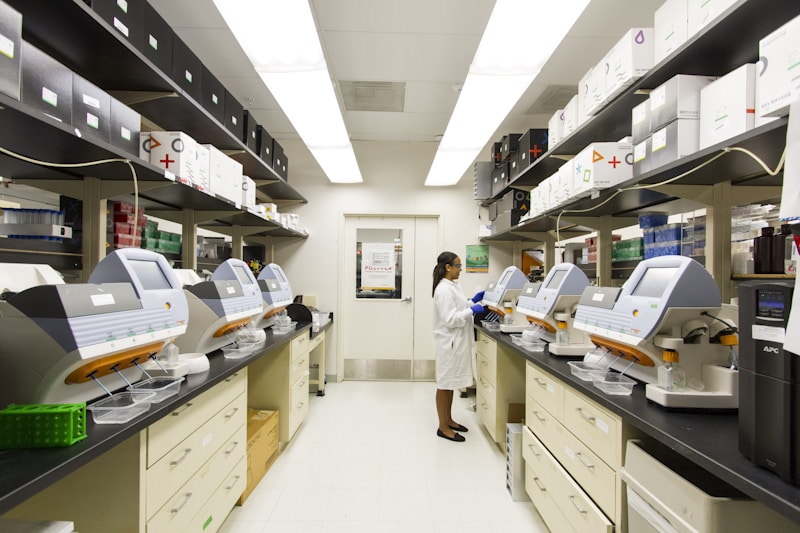
The Testing Process
From referral to results, we make the pathology process seamless.
Obtain Pathology Request
Following your initial consultation or eligibility check, our doctor issues a comprehensive pathology request form. This is valid at all major collection centres Australia-wide (e.g., QML, SNP, Dorevitch, Laverty, 4Cyte).
Visit Collection Centre
Take your form to any collection centre during the morning window (7am-10am). No appointment is usually needed for standard blood draws. Remember to fast.
Lab Analysis
Samples are analysed at NATA-accredited laboratories. Comprehensive hormone panels typically take 2-4 business days to process due to the complexity of certain assays (like free testosterone or sensitive estradiol).
Doctor Review
Results are sent securely to our medical team. Your doctor analyzes the data in the context of your symptoms and medical history during your follow-up consultation.
Pathology Costs Explained
Understanding the investment in your diagnostic process.
Medicare Bulk-Billing
Subject to strict government criteria
- Available only if specific clinical criteria are met
- Often covers only basic markers (Total T)
- May require GP referral rather than private clinic
- Doctors cannot guarantee bulk-billing at the lab
Private Panel
Paid directly to pathology lab
- Includes ALL required biomarkers (20+ tests)
- Guaranteed comprehensive analysis
- Results sent directly to TRT specialist
- Avoids “re-testing” due to missed markers
Existing Results
Using recent previous testing
- Must be dated within last 3-6 months
- Must include all required safety markers
- Must be morning draw
- Upload securely before consultation
⚠️ Contraindications (Red Flags)
Certain blood results may delay or prevent TRT prescription for your safety:
- High Haematocrit (>50-52%): Risk of blood clotting.
- Elevated PSA: Requires investigation by urologist first.
- Untreated High Prolactin: Suggests pituitary tumour.
- Severe Liver/Kidney Dysfunction: Requires specialist management.
- High Testosterone: If levels are normal, symptoms are not hormonal.
🔄 Ongoing Monitoring Schedule
Blood work isn’t a “one and done” event. Responsible TRT requires monitoring:
- Baseline: Before starting.
- 6-8 Weeks: First check to adjust dosage (dial-in phase).
- 6 Months: Ensure stability and safety markers.
- Annual: Long-term health maintenance.
*Prescriptions are linked to compliance with blood monitoring.
Pathology Frequently Asked Questions
Can I just use a finger-prick home test kit?
Generally, no. While home kits are convenient, venous blood draws (from the arm) remain the gold standard for clinical diagnosis in Australia. Capillary blood (finger prick) can be less accurate for sensitive hormone measurements, and most specialists require venous samples for prescribing authority.
My GP tested my testosterone and said “it’s normal”. Why test again?
GPs often only test “Total Testosterone”. You might have a Total T of 15 (normal range), but very high SHBG, meaning your Free Testosterone is clinically low. Without the full panel, you only see half the picture. Furthermore, reference ranges vary by lab; we assess based on optimal male health, not just “average” ranges.
Why do I need to test twice?
Endocrine Society guidelines and Australian prescribing standards often require two separate low readings (on different days) to confirm a diagnosis of hypogonadism. This rules out temporary drops caused by poor sleep, stress, or illness on the day of the first test.
Do I have to stop taking supplements before the blood test?
Multivitamins are generally fine, but Biotin (Vitamin B7) must be stopped 3 days prior as it interferes with the lab assays used to measure testosterone and thyroid, leading to false results. Also, avoid pre-workout supplements with high caffeine on the morning of the test.
What happens if my results are borderline?
Borderline results are discussed in context of your symptoms. A trial of therapy may be considered if symptoms are severe and other causes are ruled out, or a “watch and wait” approach with lifestyle optimization may be recommended. The doctor treats the patient, not just the number.
Our Safety Commitment
We never prescribe hormones without reviewing recent, comprehensive blood work.
This strict protocol protects your long-term health and ensures you receive the correct treatment for your specific physiology.
Ready to Get Tested?
Whether you need a diagnosis or a second opinion, it starts with the right data.
Book your initial consultation to organise your comprehensive pathology referral today.
Referrals valid at pathology centres Australia-wide • Secure Digital Results